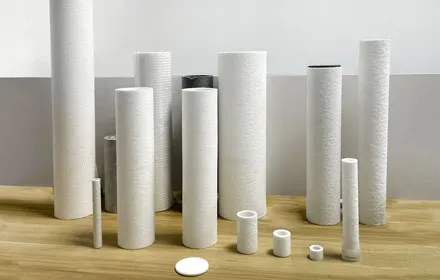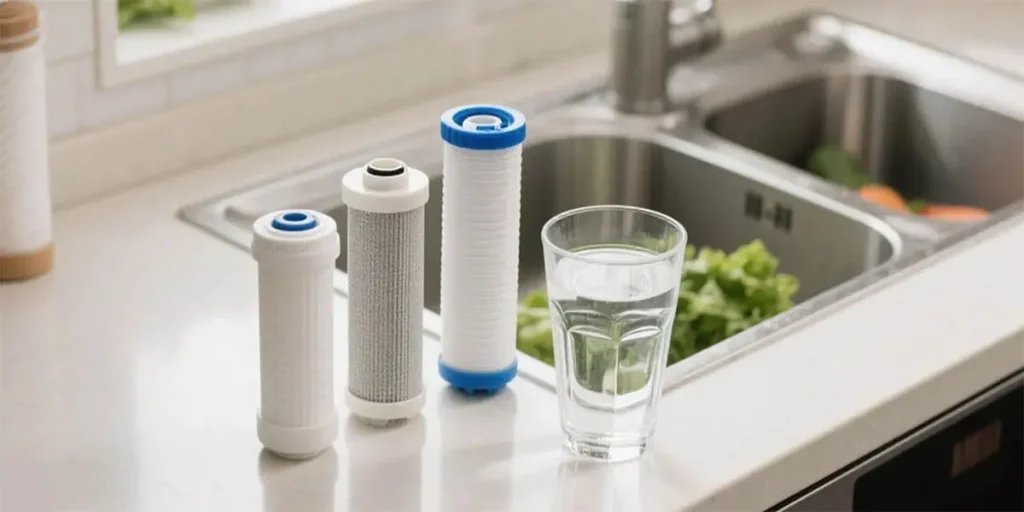
When making a reliable filter cartridge, the “skeleton” or support structure inside plays a big role. It not only makes the filter stronger and more durable, but also keeps the filtration performance stable even when the water pressure changes. Next, let’s take a look at some common types of filter cartridge cores, their features, and where they’re usually used.
Why the Filter Cartridge Core Matters
The core inside a filter cartridge is really the “main part” of the whole filter. If it lacks a solid support structure, the filter media can get squashed, deformed, or lose efficiency under water pressure. By choosing the right materials and design, the filter cartridge manufacturers can make it last longer and keep the water flow steady.
Main Filter Cartridge Core Types
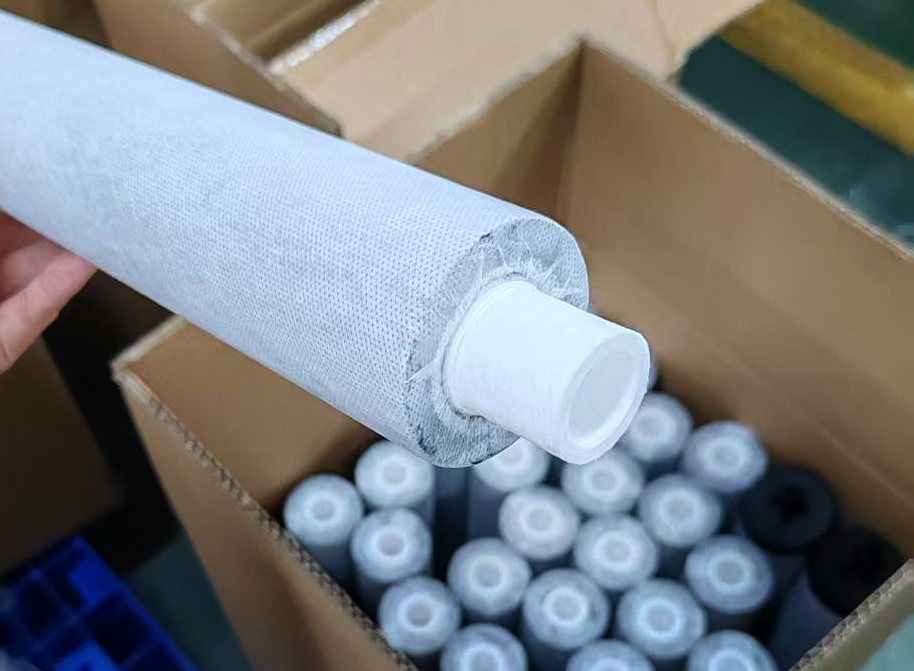
1. PP Filter Cartridge Core
Material: Polypropylene
Features: Lightweight, corrosion-resistant, low price
Applications: Household water filters, activated carbon filter cartridges, melt-blown cartridges
Benefits: Most common choice for drinking water systems
ABS Filter Cartridge Core
Material: Acrylonitrile Butadiene Styrene
Features: High mechanical strength, good toughness
Applications: Compact home filter cartridges, faucet filters, and showerhead filters
Benefits: Affordable and strong, ideal for smaller filter units
Stainless Steel Filter Cartridge Core
Material: Stainless Steel (304/316)
Features: Excellent durability, high-pressure resistance, corrosion-proof
Applications: Industrial filtration, high-temperature liquid filtration, chemical treatment
Benefits: Long service life, reliable under extreme conditions
Nylon Filter Cartridge Core
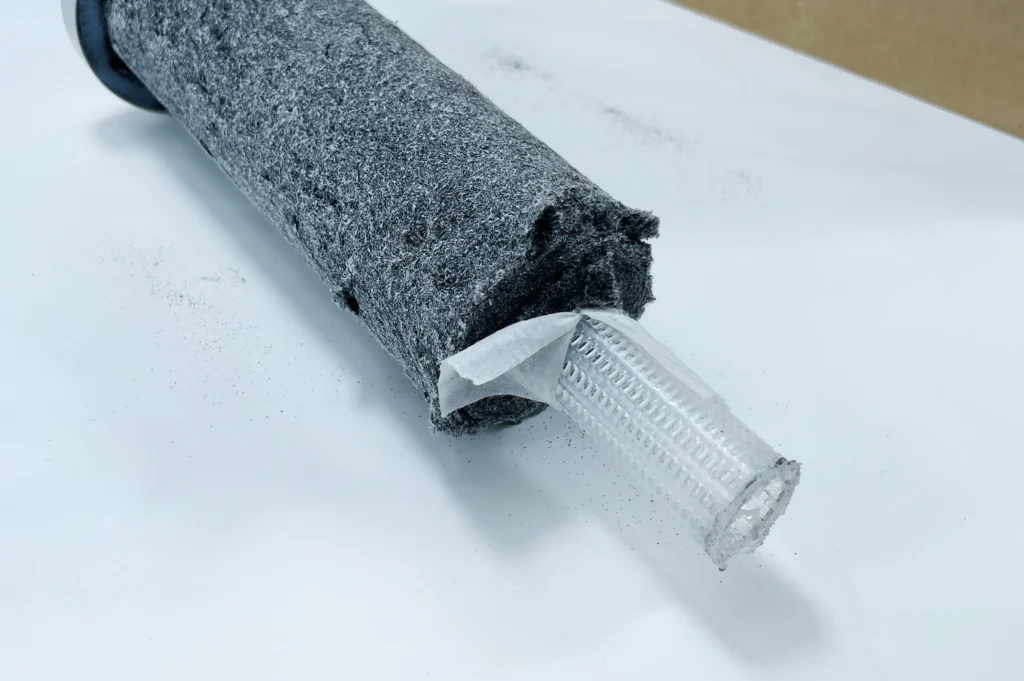
Material: Nylon (PA)
Features: Good flexibility, abrasion-resistant, stable at moderate temperatures
Applications: Light industrial filters, specialty water treatment
Benefits: A balance between strength and cost
Glass Fiber Reinforced Core
Material: Polymer reinforced with fiberglass
Features: High strength-to-weight ratio, resistant to deformation
Applications: Specialized industrial or chemical filter cartridges
Benefits: Stronger than standard plastics while remaining lightweight
Structural Designs of Filter Cartridge Cores
Besides materials, the design of the filter cartridge skeleton also affects performance:
Honeycomb structure: Improves water distribution, often used in activated carbon filters.
Slotted core design: Supports melt-blown and granular carbon cartridges, allowing maximum water flow.
Tube-style reinforced design: Used for high-pressure industrial filter cartridges.
Choosing the Right Filter Cartridge Core
For household water filter cartridges, we usually choose PP or ABS cores. For industrial use, we recommend stainless steel or glass fiber reinforced cores.
When selecting a core, always consider:
- Water pressure and flow rate
- Operating temperature
- Chemical compatibility
- Cost-performance balance
Damai Custom Solutions for ACF Filter Cartridges
At Damai, we understand that many B2B customers require small-sized ACF filter cartridges for their projects. In these applications, instead of using a conventional core that would normally require mold development, we recommend adopting a thin-wall PP melt-blown filter cartridge as the skeleton. This solution not only provides reliable structural support but also eliminates mold-opening costs and significantly lowers the minimum order quantity.
By providing this cost-effective and flexible customization service, Damai helps our partners reduce development barriers while still achieving high-quality filtration performance.
Conclusion:
The filter cartridge core types you choose determine not only the filter’s durability but also its efficiency in real-world use. From PP filter cores for household systems to stainless steel cores for industrial filtration, each material has unique advantages. And with Damai’s ability to provide custom ACF filter cartridges with thin-wall PP melt-blown cores, you can achieve the right balance between performance, flexibility, and cost