Water treatment is important for both homes and businesses. Choosing the right system often comes down to water softener vs water filter. Both systems improve water quality. But they work in different ways.
A water softener removes hard minerals like calcium and magnesium. A water filter removes particles, chemicals, and impurities. Knowing the difference helps you choose the right solution.
This article explains the functions, benefits, and applications of water softeners vs water filters. We also cover how they work. And when to use each system.
What is a Water Softener?
A water softener treats hard water. Hard water has high levels of calcium and magnesium. Sometimes it also contains iron. These minerals can cause scale in pipes and appliances. Scale reduces efficiency. It also shortens appliance lifespan.
Water softeners often use ion exchange. They replace hardness minerals with sodium or potassium ions.
Key parts of a water softener include:
Resin beads that attract and hold calcium and magnesium.
Brine regeneration which restores the resin.
Water flows through the resin, leaving soft water.
Soft water protects appliances and pipes. It also makes soap more effective. And it reduces spots on dishes.
What is a Water Filter?
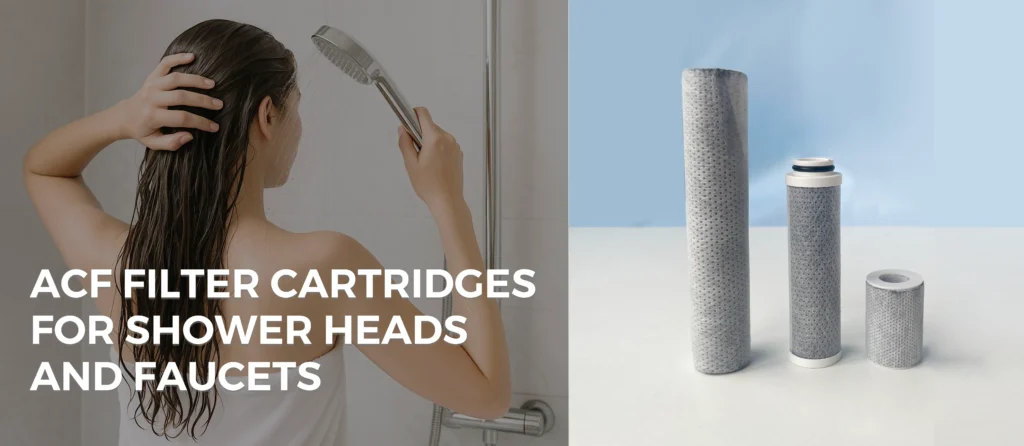
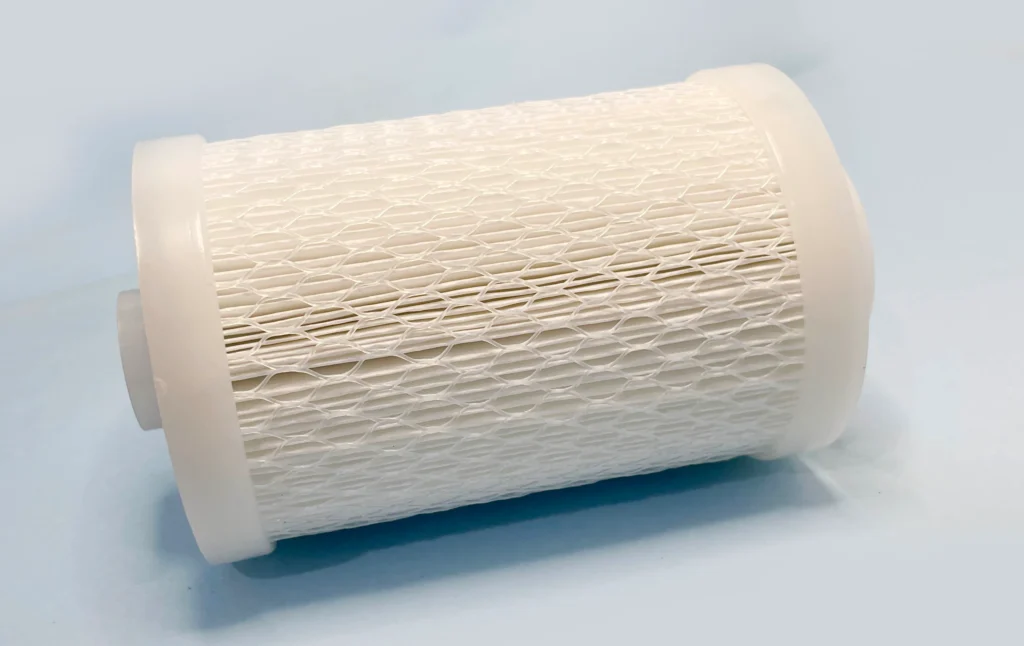
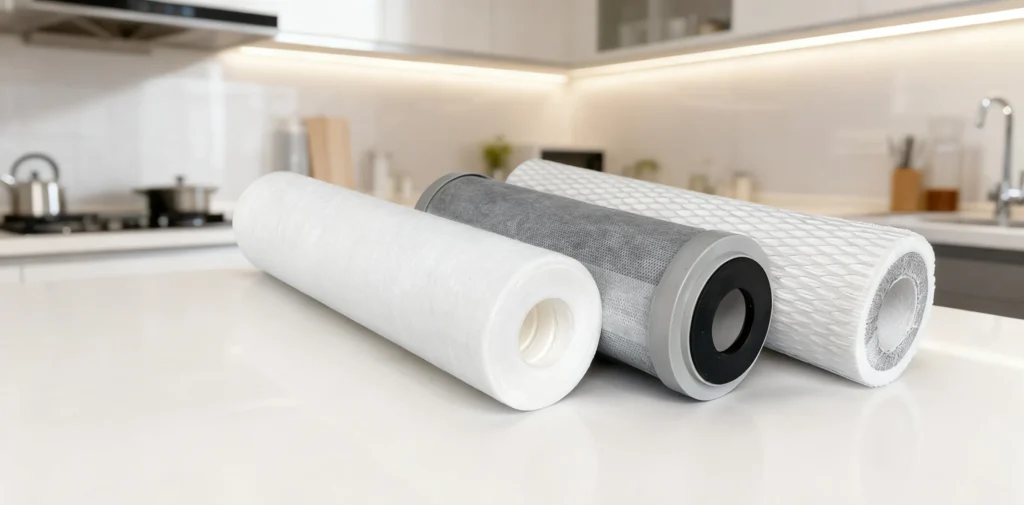
A water filter cleans water. It removes particles, chemicals, and unpleasant taste or odor. Filters can be simple. For example, PP sediment cartridges. Or advanced, like ACF (Activated Carbon Fiber) cartridges.
Water filters work in a few ways:
Mechanical filtration blocks sediments.
Adsorption traps chemicals and chlorine.
Targeted ion exchange removes metals like arsenic or lead.
Filters improve drinking water quality. They do not remove hardness. Their main goal is purification.
Water Softeners vs Water Filters – Main Differences
| Feature | Water Softener | Water Filter |
| Function | Remove hard minerals | Remove chemicals, particles |
| Method | Ion exchange | Filtration or adsorption |
| Taste | No effect | Improves taste and odor |
| Maintenance | Brine refill, resin replacement | Cartridge replacement |
| Use | Whole house, appliances | Drinking water, kitchen, shower |
Filters can be customized. For example, ACF cartridges can remove chlorine or arsenic. They can also add beneficial minerals. Water softeners are mostly standard.
Installation
Installation matters when comparing water softeners vs water filters.
Water softeners are installed at the main water line. They need space. They also need drainage for brine.
Water filters can be point-of-use, like under-sink or shower filters. Or they can be whole-house systems. Cartridge replacement is usually simple.
Maintenance and Lifespan
Maintenance is another difference.
Water softeners need brine refills. Resin replacement is required every 10–15 years.
Water filters need cartridge replacement every 3–12 months. This depends on water quality.
Proper maintenance keeps water quality high. It also extends the system’s life.
Applications
When to choose a water softener:
Hard water areas
Protect appliances and pipes
Reduce soap use
When to choose a water filter:
Remove chlorine, sediments, or metals
Improve taste and smell
For drinking water or showers
Combined use is common. A softener treats hardness. A filter removes contaminants. Together, they cover more water issues.
Key Points
Remember these points about water softeners vs water filters:
Function: Softener removes minerals. The filter removes contaminants.
Customization: Filters can be tailored. Softeners are standard.
Maintenance: Filters are easier to replace.
Installation: Softener needs space. Filters are flexible.
Combination: Using both gives full water treatment.
Advanced Filter Cartridges
ACF cartridges are an example of advanced filters. They:
Remove chlorine, metals, and chemicals
Can be customized to remove specific toxins or add minerals
Last longer than regular carbon filters
Filters are not just extras. They are often the main way to improve water safety and taste.
Conclusion
Choosing between water softeners vs water filters depends on your water problems.
Hard water? Use a softener.
Bad taste or contaminants? Use a filter.
Many homes and businesses use both. This gives soft water and clean, safe water.
Understanding how these systems work helps you choose the right one. It also helps you maintain it for the best performance.
FAQ
Q1: What is the main difference between a water softener and a water filter?
A: A water softener removes hard minerals like calcium and magnesium. A water filter removes particles, chemicals, and impurities. Softeners focus on hardness. Filters focus on water quality and taste.
Q2: Can a water softener remove chlorine or chemicals?
A: No. Water softeners do not remove chlorine or chemical contaminants. You need a water filter for that.
Q3: Do I need both a water softener and a water filter?
A: It depends on your water. If your water is hard and has contaminants, using both is the best choice. The softener protects appliances. The filter ensures clean, safe water.
Q4: How often should I maintain a water softener or filter?
A: Water softeners need brine refills regularly. Resin may need replacement every 10–15 years. Filters usually need cartridge replacement every 3–12 months, depending on water quality.
Q5: Can water filters remove heavy metals?
A: Yes. Advanced filters, like ACF cartridges, can remove heavy metals such as lead or arsenic. Some filters can also add beneficial minerals.
Q6: Where should I install a water softener or filter?
A: Water softeners are installed at the main water line for the whole house. Filters can be point-of-use (kitchen, shower) or whole-house systems. Installation depends on your needs.