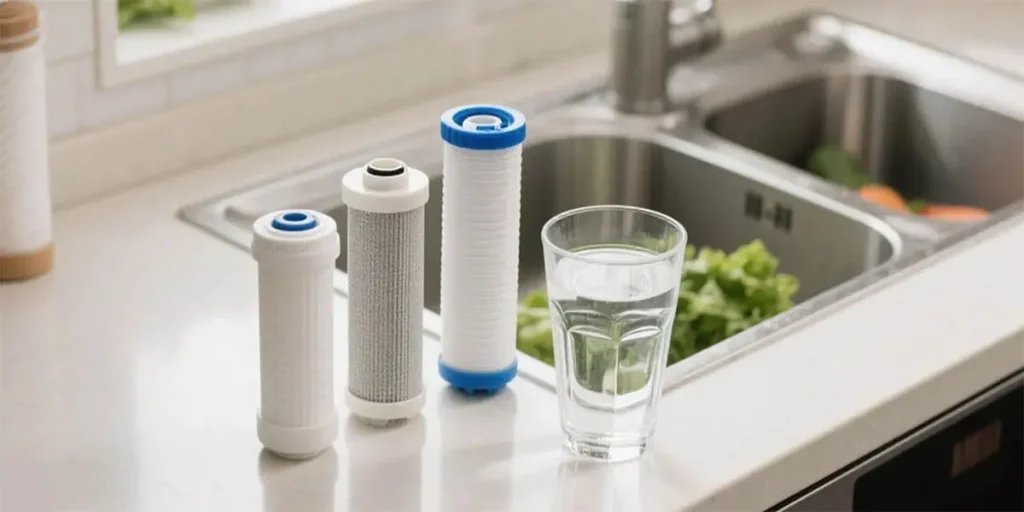
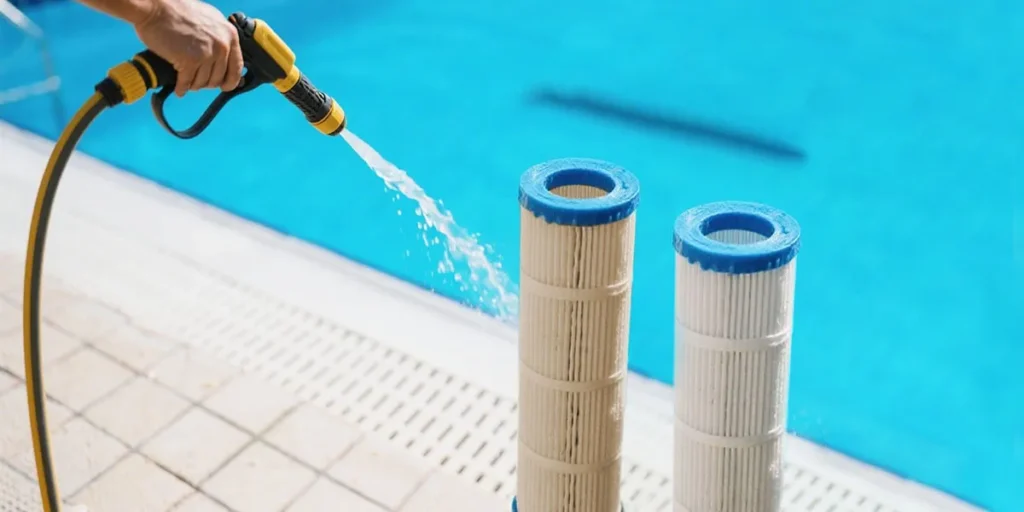
If your filter cartridge clogs too fast, you are not alone. This is one of the most common problems in water filtration systems. Many users expect a filter to last for weeks or even months. But in reality, it gets blocked in just a few days. This leads to frequent replacement, higher costs, and unstable system performance. The truth is simple. When a filter cartridge clogs too fast, the problem is usually not just the filter. It is often related to water quality, system setup, or wrong filter selection.
Here, we will explain the real reasons in a clear and practical way. More importantly, we will show you how to fix them.
What It Means When a Filter Cartridge Clogs Too Fast
A filter cartridge works by trapping dirt and particles inside it. Over time, these particles build up. This is normal. But when the buildup happens too quickly, the filter gets blocked earlier than expected. You may notice that the water flow becomes weaker. At the same time, the pressure in the system starts to rise. In some cases, you need to replace the filter again and again within a short time. This is a clear sign that something in your system is not working properly.
Your Water Has Too Much Dirt
One of the main reasons a filter cartridge clogs too fast is dirty water. If your water contains a lot of sand, rust, or small particles, the filter will fill up very quickly. It simply cannot handle that much dirt at once. This often happens when there is no proper pre-filtration. The filter you installed is forced to do all the work alone. In real projects, this is very common. A standard filter is used, but the water quality is much worse than expected. As a result, the filter life becomes very short.
You Chose the Wrong Micron Rating
Another common reason is using the wrong micron rating. A smaller micron filter can catch finer particles. But it also blocks faster. If you use a very fine filter at the beginning, it will clog quickly. For example, using a 1 micron filter as the first stage is usually not a good idea. It will trap everything right away and lose capacity very fast. A better way is to filter step by step. Start with a larger micron filter, then move to a smaller one. This helps spread the load and extend filter life.
In real applications, micron selection should always match water conditions. For example, PP sediment filters are often selected based on turbidity levels. Using a staged setup with different micron ratings can improve both filtration efficiency and filter lifespan.
The Filter Cartridge Quality Is Not Good Enough
Not all filters are made the same. Some low-cost filters only trap dirt on the surface. Once the surface is blocked, water cannot pass through easily. This leads to fast clogging. Better filter cartridges are designed to trap particles throughout the whole structure. This is called depth filtration. It allows the filter to hold more dirt and last longer. From industry experience, this difference is very important. A high-quality filter can last much longer under the same conditions.
Your Flow Rate Is Too High
Flow rate also affects how fast a filter clogs. If water flows too quickly, more particles are pushed into the filter in a short time. This makes the filter fill up faster. In some systems, the pump is too strong. Or the system is not designed correctly. This causes unnecessary stress on the filter. Reducing the flow rate to a proper level can make a big difference. In many cases, it can double the filter lifespan.
You Don’t Have Proper Pre-Filtration
If your filter cartridge clogs too fast, you should check your system design. Many systems only use one filter. This is not enough, especially for industrial water. Without pre-filtration, all the dirt goes directly into one filter. This overloads it very quickly. A better system uses multiple stages. The first stage removes larger particles. The next stage handles finer particles. This makes the whole system more stable.
In practical applications, PP melt blown filter cartridges are often used as the first stage of pre-filtration. They are effective for removing suspended solids such as sand, rust, and silt.
For water with higher turbidity, a larger micron rating such as 10 or 20 micron is usually recommended at the first stage. For relatively cleaner water, a 5 micron filter is commonly used. In systems that require higher precision, a second-stage finer filter can be added.
This step-by-step filtration approach helps reduce the load on each filter and significantly extends the overall system lifespan.
Organic Matter and Bacteria
In some cases, the problem is not just dirt. Water may contain organic matter or bacteria. These can form a slimy layer inside the filter. This layer blocks water flow very quickly. This is more common in warm environments or untreated water sources. When this happens, the filter may clog even faster than expected. You may also notice a smell or color change.
How to Fix the Problem
To fix fast clogging, you need to look at the whole system.
- First, check your water quality. If the water is very dirty, you need stronger pre-filtration.
- Second, review your filter setup. Using filter cartridges in stages is much more effective than using just one.
- Third, choose better filters. A good structure and stable quality can greatly improve performance.
- Finally, make sure your flow rate is not too high. Keeping it within the recommended range helps the filter work properly.
How Long Should a Filter Cartridge Last?
There is no single answer. It depends on your water and system. In clean water, a filter may last for months. In dirty water, it may only last a few days. But if your filter cartridge clogs too fast compared to normal use, something is wrong. It is a sign that your system needs adjustment.
Conclusion
When a filter cartridge clogs too fast, it is usually not just a product issue. It is a system issue. Water quality, filter choice, and system design all play a role. If one of them is not right, the filter will not perform as expected. The good news is that this problem can be solved. With the right setup and better understanding, you can extend filter life, reduce costs, and improve system performance. In water filtration, small changes often bring big results.