If you’ve been using a shower filter for a while, you’ve probably had this moment: water pressure drops, or the smell of chlorine slowly creeps back.
Most people don’t think about maintenance until something feels “off.” But in practice, knowing when to replace your shower filter element makes a real difference—not just for water quality, but also for how your skin and hair feel after every shower.
Below are five signs that are commonly observed in real household use, not just theory.
1. Water pressure starts to feel weaker than usual
This is usually the first thing people notice.
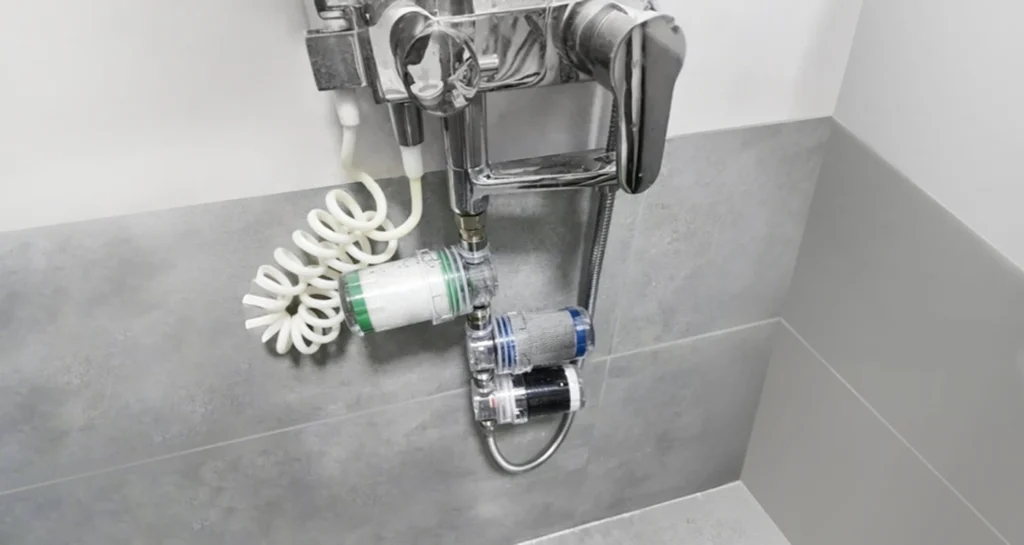
When the filter inside starts to clog with sediment, rust, or impurities, water flow becomes less smooth. It doesn’t always drop suddenly—it’s often gradual, which is why many users ignore it at first.
From experience, once pressure reduction becomes noticeable, the filter is already well past its optimal performance stage, and it’s usually time to replace your shower filter elements.
2. The “clean water” smell starts disappearing
A fresh shower filter usually reduces chlorine smell quite clearly.
When it begins to wear out, that clean feeling fades. In many households with municipal water, you’ll notice a faint “pool-like” or chemical odor returning.
That’s a strong practical signal that the filtration media is saturated and no longer working effectively.
3. Skin and hair don’t feel the same after showering
This is one of the most commonly reported changes.
When a water filter is working properly, water feels softer. But when it starts to fail, users often notice:
- Skin feels tighter after a shower
- Hair is becoming rough or harder to manage
- Mild scalp dryness returning
These changes don’t happen overnight, so people usually don’t immediately think of the need for new filter cartridges for the shower filters.
4. You can actually see buildup or discoloration
If you open the filter housing and notice brown, yellow, or gray buildup, that’s not just “normal aging.”
It usually means the filtration media has absorbed as much as it can. In some cases, water may even look slightly cloudy when the filter is heavily saturated.
At this stage, cleaning won’t help much—you’re already at the point where you should replace it.
5. It has simply been too long since the last change
This is where many users go wrong—they wait for symptoms instead of following lifespan guidelines. Based on common household usage:
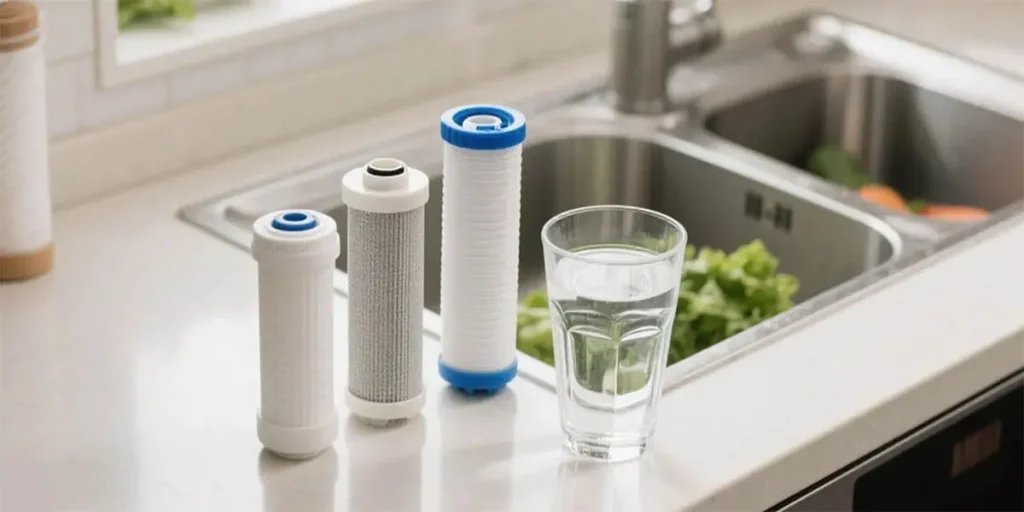
PP melt-blown filter
- Typical lifespan: 1–2 months
- Real-world note: In areas with harder water, it can clog even faster
- Function: First-stage protection (sand, rust, particles)
In practice, PP is usually the first component that forces you to replace your shower filter element.
ACF filter
- Typical lifespan: 2–3 months
- Focus: chlorine reduction and odor control
- Real-world note: Once chlorine smell returns, performance is already declining
Composite multi-layer filter
Typical lifespan: 3–6 months
Combines sediment + carbon + additional filtration layers
Real-world note: Different layers degrade at different speeds, so performance drops gradually
As a professional manufacturer of ACF filter cartridges, Damai can customize exclusive filter elements according to your actual usage requirements.
Practical note from real usage
In actual households, especially in urban water systems, people rarely replace filters exactly on schedule.
Most replacements happen after one of two things:
- Water “feels different.”
- The shower experience becomes less comfortable
So while timelines are useful, the real answer is usually a combination of time + sensory changes.
Conclusion
Knowing when to replace your shower filter element is less about strict rules and more about paying attention to subtle changes in daily use.
If you notice weaker water pressure, returning odor, changes in skin or hair feel, visible buildup, or simply haven’t changed it within the recommended lifespan, it’s probably time.
A fresh filter doesn’t just improve water—it restores the consistency of your shower experience, which is usually what people miss most when it starts to decline.