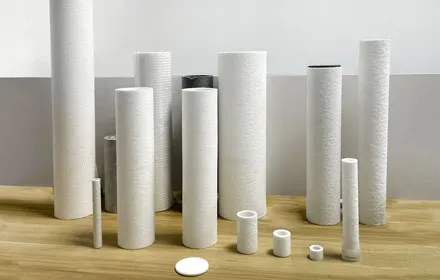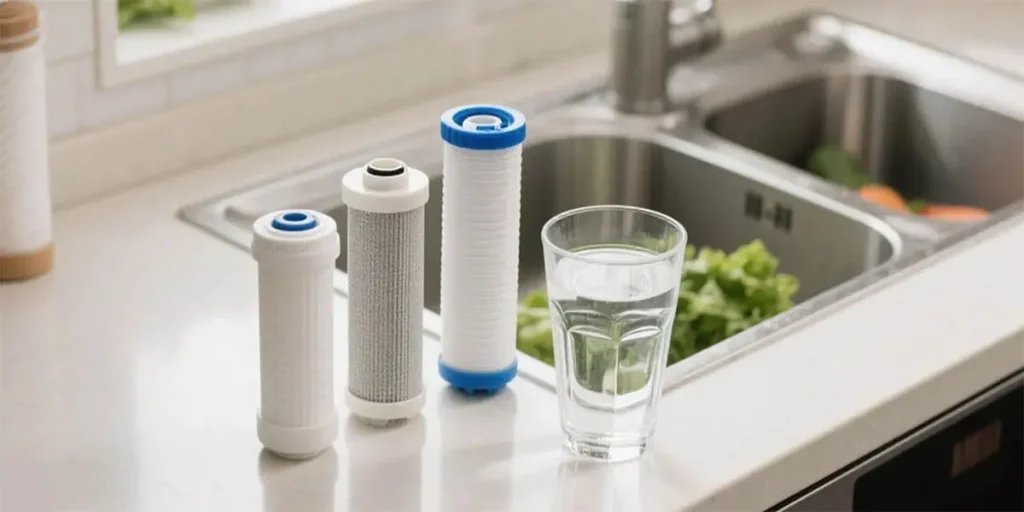
Tap water is treated before reaching homes, but from a water filter cartridge manufacturing perspective, it is rare for it to be completely free of contaminants. Variations in source water quality, aging distribution systems, and regional treatment methods all influence the final water quality delivered to end users.
For filter manufacturers, OEM brands, and system designers, understanding common tap water contaminants is a key part of developing effective water filtration solutions. Knowing the typical origins of these contaminants, their potential impact on water quality, and how different filtration technologies are applied at the cartridge level helps ensure proper material selection, system compatibility, and reliable performance in real-world applications.
What Are Water Contaminants?
Water can contain all sorts of contaminants—things that are physical, chemical, or biological—that affect not just safety or taste, but also how well a filter works. When making water filter cartridges, it’s important to consider not only health concerns, but also how these contaminants can impact filter performance, like how fast it clogs, changes in pressure, lifespan, and whether the materials hold up.

In the water industry, tap water contaminants are usually grouped into five main types: sediment, disinfectants, heavy metals, organic compounds, and microorganisms.
1. Sediment and Particulate Matter
Sediment is one of the most common contaminants encountered in both municipal and well water systems and is often the first consideration in filter system design.
Typical examples include:
- Sand and silt
- Rust particles from corroded pipelines
- Scale and pipe debris
Sources:
- Aging municipal distribution systems
- Groundwater and well sources
- Internal corrosion of building plumbing
Impact on systems:
- Increased pressure drop
- Reduced carbon adsorption efficiency downstream
- Premature clogging of fine filtration stages
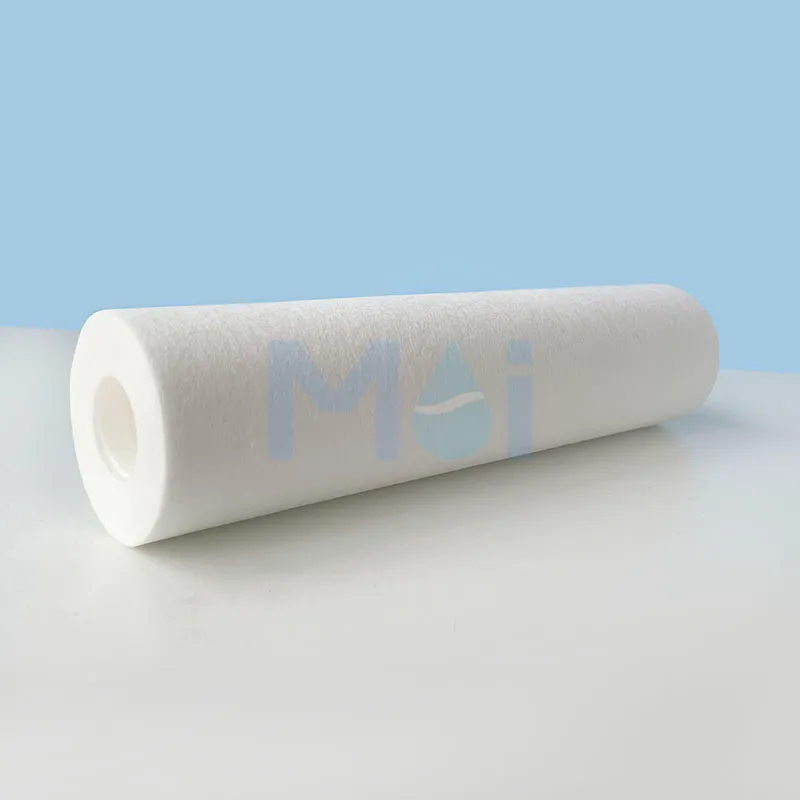
Industry-standard solution: Sediment is typically addressed using PP sediment filter cartridges, such as melt-blown or pleated filters. Manufacturers select micron ratings (commonly 1–20 microns) based on water quality data and desired cartridge service life.
2. Chlorine and Chloramine
Chlorine and chloramine are intentionally added during municipal treatment to control microbial growth.
Sources:
- Public water disinfection processes
Impact:
- Unpleasant taste and odor
- Degradation of rubber seals and membranes
- Reduced lifespan of RO membranes if not properly removed
Industry-standard solution: From a manufacturing standpoint, activated carbon materials— including activated carbon fiber and carbon block media—are widely used for chlorine reduction. Chloramine requires catalytic carbon or extended contact time, which directly affects cartridge design and carbon selection.
3. Heavy Metals
Heavy metals are a key concern in water filtration design due to their potential health impact and regulatory limits.
Common heavy metals include:
- Lead
- Copper
- Mercury
- Arsenic
Sources:
- Lead service lines and solder
- Brass fittings and valves
- Natural geological deposits
Impact on filtration design:
- Often present at low concentrations but require targeted removal
- Not reliably removed by sediment filtration alone
Industry-standard solution: Depending on the metal species, manufacturers may use carbon-based adsorption, ion exchange resins, or composite filter cartridges that integrate multiple functional media.
4. Volatile Organic Compounds (VOCs)
VOCs are organic chemicals that dissolve in water and are commonly addressed in drinking water filtration.
Examples include:
- Benzene
- Toluene
- Trichloroethylene (TCE)
Sources:
- Industrial discharge
- Agricultural runoff
- Improper chemical storage or disposal
Impact:
- Taste and odor complaints
- Increased demand for high-surface-area adsorption media
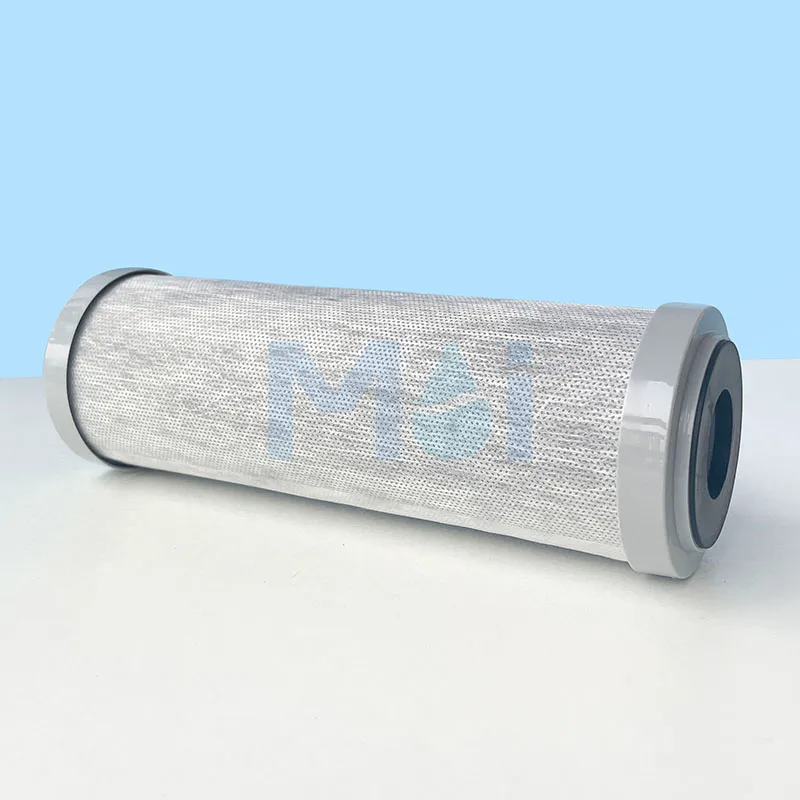
Industry-standard solution: Manufacturers typically rely on activated carbon materials with high surface area. ACF filter cartridges are often selected in applications where fast adsorption kinetics and compact cartridge design are required.
5. PFAS (Per- and Polyfluoroalkyl Substances)
PFAS represent a growing challenge for the water filtration industry due to their chemical stability and regulatory attention.
Sources:
- Industrial processes
- Firefighting foams
- Contaminated groundwater supplies
Impact on product design:
- Requires extended contact time
- Performance is highly dependent on carbon type and system flow rate
Industry-standard solution: Certain carbon filters, advanced carbon composites, and RO systems are used depending on PFAS concentration. Cartridge manufacturers must balance adsorption efficiency with flow performance and replacement intervals.
6. Microorganisms
Microbial contaminants are primarily a concern in untreated or compromised water systems.
Sources:
- Private wells
- Distribution system failures
Impact on filtration strategy:
- Carbon and sediment filters are not designed for microbial removal
- Requires membrane or disinfection technologies
Industry-standard solution: Ultrafiltration (UF), reverse osmosis (RO), or UV systems are incorporated when microbial control is required.
7. Disinfection Byproducts (DBPs)
Disinfection byproducts form when disinfectants react with organic matter in source water.
Common DBPs include:
- Trihalomethanes (THMs)
- Haloacetic acids (HAAs)
Industry perspective: DBPs are a key driver for carbon filter adoption in residential and commercial systems.
Industry-standard solution: Carbon-based filter cartridges are widely used to reduce DBPs while maintaining acceptable flow rates.
How Water Quality Varies by Region
From a manufacturer’s viewpoint, water quality variability is one of the main reasons no single filter cartridge fits all applications. Differences in source water, pipe materials, and treatment methods require flexible cartridge designs and multi-stage filtration approaches.
Filtration Strategy from a Manufacturer’s Perspective
Effective system design typically involves:
- Sediment pre-filtration to protect downstream media
- Carbon or functional media selected for target contaminants
- Cartridge dimensions and density optimized for flow and service life
Proper cartridge design improves filtration stability, reduces maintenance frequency, and enhances overall system reliability.
Conclusion
Common water contaminants in tap water not only affect the quality of drinking water, but also the way filter systems are designed and made. Although municipal water treatment can provide basic safety protection, well-designed filter cartridges can improve filtering performance and stability, and offer proper protection based on actual water quality.
From a manufacturing perspective, understanding the composition characteristics of pollutants is crucial for providing reliable, application-specific water filtration solutions. Well-designed filter cores – whether sediment filter cores, activated carbon filter cores or composite filter cores – all play a crucial role in enhancing the clarity, taste and overall user experience of water.