What Is an RO Pre-Treatment Filtration System?
An RO Pre-Treatment Filtration System is a combination of filtration stages designed to remove sediments, chlorine, and organic contaminants from feed water before it enters a reverse osmosis membrane.
Why RO Pre-Treatment Filtration System Is Important
RO membranes are highly sensitive to contaminants. Without proper filtration, several issues can occur:
1. Membrane Fouling
Suspended particles can clog membrane pores, reducing flow rate and efficiency.
2. Chlorine Damage
Many RO membranes are made from polyamide, which is highly sensitive to chlorine. Even low levels of chlorine can permanently damage the membrane surface.
3. Increased Operating Costs
Poor pre-treatment leads to:
- Frequent membrane replacement
- Higher energy consumption
- Increased downtime
Key Insight
A well-designed RO Pre-Treatment Filtration System can extend membrane life by 2–5 times, significantly reducing operational costs.
Typical Components of an RO Pre-Treatment Filtration System
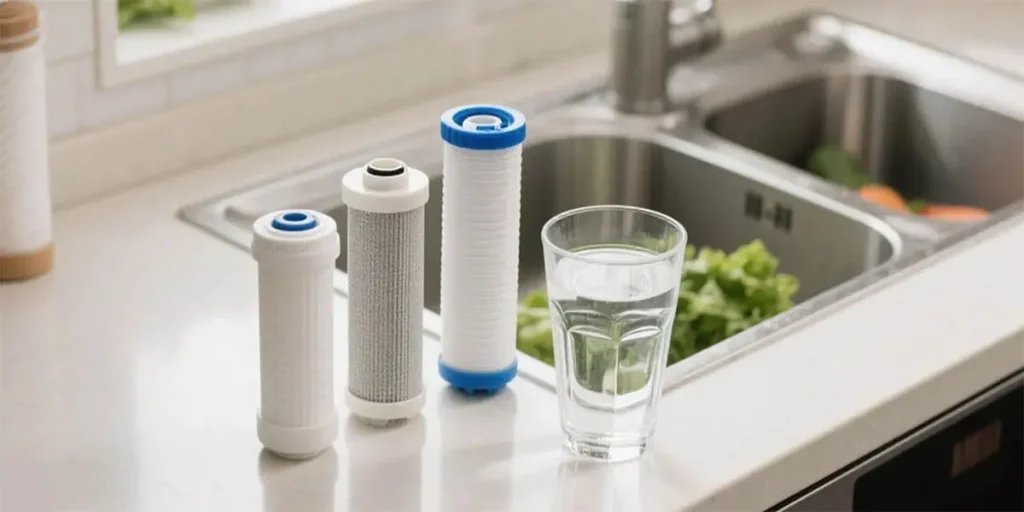
A standard RO Pre-Treatment Filtration System usually includes multiple stages:
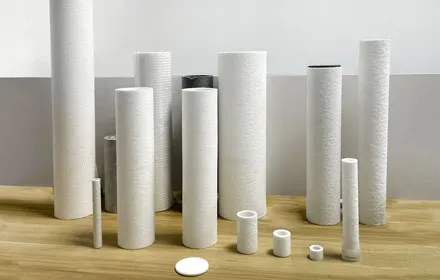
Stage 1: Sediment Filtration (PP Melt Blown Filter)
The first stage removes: Sand, rust, suspended solids
PP melt blown filter cartridges are commonly used due to:
- Depth filtration structure
- High dirt-holding capacity
- Low cost
Typical micron ratings:
- 10 micron (coarse filtration)
- 5 micron (standard)
- 1 micron (fine filtration)
Stage 2: Carbon Filtration (Activated Carbon or Carbon Fiber)
This stage removes:
- Chlorine
- Organic compounds
- Odor
Carbon-based filters are essential to protect RO membranes from chemical damage.
Compared to traditional carbon, advanced carbon fiber filters offer:
- Faster adsorption
- Higher efficiency
- More stable performance
Stage 3: Fine Filtration (Optional)
In high-demand systems, an additional fine filtration stage may be added: 1 micron or sub-micron filters, ensures minimal particle load before RO.
RO Pre-Treatment Filtration System Design Considerations
Designing an effective RO Pre-Treatment Filtration System requires careful evaluation of several factors.
1. Water Quality Analysis
Key parameters include:
- Turbidity
- Total Suspended Solids (TSS)
- Chlorine concentration
- Organic content
2. Flow Rate Requirements
The filtration system must match the RO system flow rate to avoid: Pressure drops and system inefficiency.
3. Micron Rating Selection
Choosing the correct micron rating is critical:
Too large → insufficient filtration
Too small → frequent clogging
4. Pressure Drop Management
Each filtration stage introduces resistance. A well-designed system minimizes pressure loss while maintaining efficiency.

How to Choose the Right Filter Cartridges
Selecting the correct filter cartridges is essential for system performance.
PP Melt Blown Filter Selection
Consider:
- Density gradient structure
- Consistent micron rating
- High dirt-holding capacity
Thin-wall melt-blown filters can provide:
- Lower pressure drop
- Better flow performance
Carbon Filter Selection
Key factors:
- Adsorption capacity
- Contact time
- Material type (granular vs fiber)
- Carbon fiber filters are often preferred in high-performance systems.
Manufacturer Capability
A reliable supplier should provide:
- Stable production quality
- Testing data
- Consistent specifications
Common Problems in RO Pre-Treatment Filtration Systems
Even well-designed systems can encounter issues.
1. Rapid Filter Clogging
Causes: High turbidity, Incorrect micron rating
2. Chlorine Breakthrough
Causes: Saturated carbon filter, Insufficient contact time
3. High Pressure Drop
Causes: Overloaded filters, Poor system design
Practical Tip
Regular monitoring and timely replacement of filter cartridges are essential to maintain system performance.
Maintenance and Replacement Guidelines
To ensure long-term performance of an RO Pre-Treatment Filtration System:
Replacement Frequency
Depends on: Water quality, System usage, Filter type
Typical ranges:
- Sediment filters: 1–3 months
- Carbon filters: 3–6 months
- Monitoring Indicators
- Pressure drop increase
- Reduced flow rate
- Water quality changes
Testing and Quality Standards
High-quality filtration systems should follow recognized standards such as: ISO, NSF International
Testing may include: Filtration efficiency, Pressure resistance, Flow rate performance
Benefits of a Well-Designed RO Pre-Treatment Filtration System
A properly configured system provides:
- Extended RO membrane life
- Stable system performance
- Reduced maintenance costs
- Improved water quality
Conclusion
An RO Pre-Treatment Filtration System is the foundation of any efficient reverse osmosis setup. By removing sediments, chlorine, and organic contaminants before water reaches the membrane, it ensures long-term system reliability and cost efficiency.
For industrial users, investing in high-quality filter cartridges and proper system design is not just a technical decision—it is a strategic one.
FAQ
Q1: What happens if I don’t use pre-treatment before RO?
Without an RO Pre-Treatment Filtration System, membranes can quickly foul or become damaged, leading to high replacement costs.
Q2: What micron filter is best before RO?
Typically, a combination of 10 micron and 5 micron filters is used, followed by finer filtration if required.
Q3: Can carbon filters fully remove chlorine?
Yes, properly designed carbon filtration stages can effectively remove chlorine and protect RO membranes.