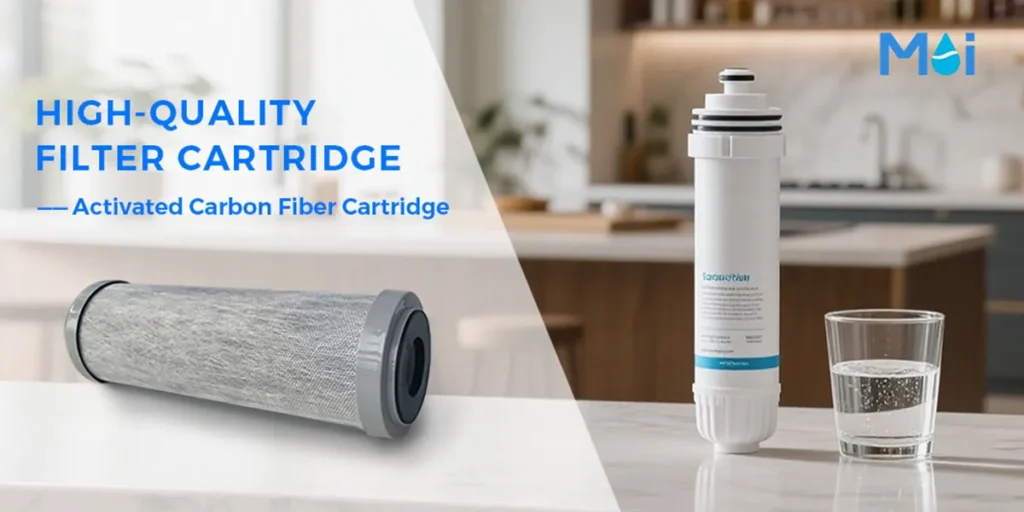
The topic of RO water not safe for direct drinking is often misunderstood. Many people assume reverse osmosis water is unsafe by default, but this is not accurate.
RO filtration produces highly purified water at the membrane stage. However, whether RO water is suitable for direct drinking depends on multiple system-level conditions after filtration.
This article explains the key RO water not safe for direct drinking factors that influence final drinking water quality.
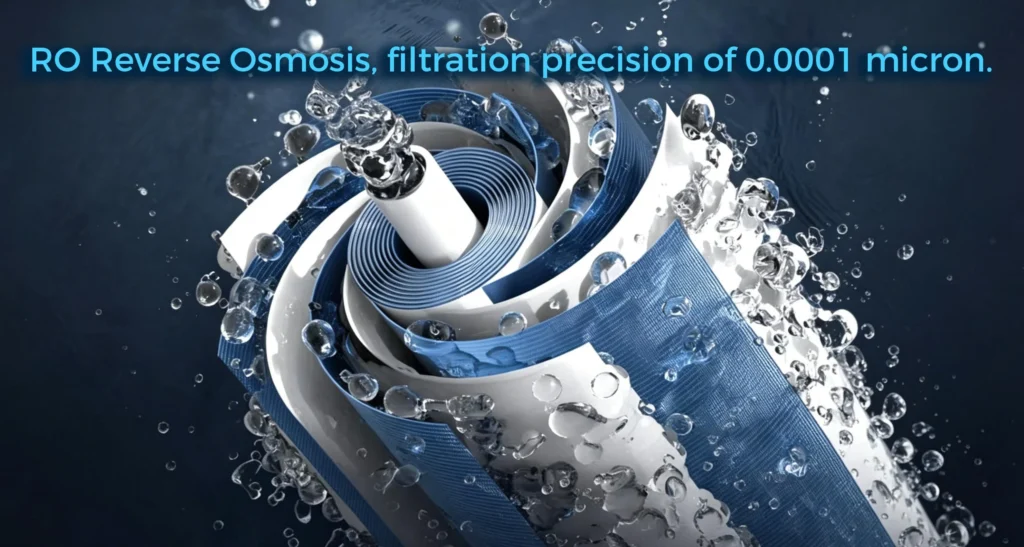
1. RO Membrane Is Not the Final Drinking Point
One of the most important factors is the misunderstanding of where purification actually ends.
The RO membrane produces very clean water, but in real systems, water continues through:
- Tubing systems
- Valves and fittings
- Storage or flow channels
- Final dispensing outlets
Each stage can slightly influence final water quality, making system design an important part of RO water not safe for direct drinking factors.
2. Storage Systems and Water Retention Time
Storage is a major contributing factor.
When purified water is stored in a tank:
- It remains static for extended periods
- It interacts with internal surfaces
- It may gradually change in freshness perception
Long retention time does not automatically make water unsafe, but it can influence taste stability and microbial conditions depending on system design and maintenance. In many systems, post-filtration design plays an important role in maintaining water stability.
3. Internal Pipeline and Material Interaction
Another important category of RO water not safe for direct drinking is internal material interaction.
RO systems commonly use:
- Plastic tubing
- Rubber seals
- Carbon-based housings
Although these materials are food-grade, RO water is highly pure and low in minerals, making it more sensitive to subtle interactions within the system environment.
4. Filter Lifecycle and Aging Effects
Filter condition is one of the most practical factors.
Over time, filters may experience:
- Reduced adsorption performance
- Gradual saturation
- Changes in flow stability
If filters are not replaced on schedule, overall system consistency may decline, affecting final drinking water quality.
5. System Hygiene and Maintenance Practices
Maintenance plays a critical role in RO water not safe for direct drinking.
Key maintenance elements include:
- Regular filter replacement
- System flushing cycles
- Internal cleaning procedures
- Proper sanitation of tanks or components
Even high-quality RO systems can show variations in water quality if maintenance is neglected.
6. Microbial Conditions Inside the System
Microbial stability is another key aspect.
Since RO water contains very low levels of disinfectants, internal system conditions depend more on:
- Flow frequency
- Temperature
- Stagnation time
Under low usage conditions, microbial activity inside the system may gradually affect water freshness and consistency.
7. Tankless RO Systems and Direct Drinking Considerations
A common question is whether tankless RO systems eliminate RO water not safe for direct drinking.
Tankless RO systems remove the storage tank, which reduces water stagnation and helps maintain fresher water delivery. However, this does not automatically mean water is “directly drinkable without conditions.”
Even in tankless systems, water still passes through:
- Filtration cartridges
- Internal tubing
- Valves and dispensing components
Additionally, if the system is idle for a period, some water may still remain in the internal pipeline. Therefore, while tankless systems reduce many risks associated with stagnation, overall direct drinkability still depends on system hygiene, usage frequency, and maintenance status.
8. Usage Patterns and Environmental Influence
User behavior also contributes to RO water not being safe for direct drinking.
For example:
- Frequent usage helps maintain water freshness
- Long idle periods may increase stagnation effects
- Higher ambient temperatures can influence internal system conditions
This explains why identical RO systems may perform differently in different environments.
9. Why RO Water Is Still Widely Used
Despite discussing RO water not safe for direct drinking, RO technology remains one of the most effective purification methods available today.
The key point is not that RO water is inherently unsafe, but that final water quality depends on the entire system environment beyond the membrane itself.
Conclusion
The concept of RO water not safe for direct drinking factors does not mean RO water is fundamentally unsafe. Instead, it highlights that final drinking water quality depends on multiple system-level influences. These include storage conditions, internal piping, filter lifecycle, maintenance practices, microbial conditions, and whether the system is tank or tankless. Understanding these RO water not safe for direct drinking factors helps clarify why RO water quality can vary and why system design and maintenance are essential for consistent drinking water performance. Advanced filtration media such as activated carbon fiber cartridges are often used to improve long-term water quality stability in RO systems.