When designing an efficient water treatment system, understanding the UF membrane working principle is essential. It is a highly reliable method to clean water through physical interception. As a comprehensive water filtration solution provider, Damai wants to help you understand how ultrafiltration technology functions from the inside out.
1. What is the UF Membrane Working Principle?
At its core, the UF membrane working principle relies on a pressure difference to drive the filtration and screen the solution. It acts like a microscopic sieve.
When the raw liquid flows across the membrane under a specific pressure, separation happens naturally. Small molecules easily pass through to become the clear permeate. Meanwhile, larger molecules are blocked and held back. This simple mechanical trapping allows you to achieve purification, separation, and concentration all at once.
2. Ultrafiltration Accuracy and Structure
You might wonder how small these pores actually are. Typically, the filtration accuracy of a UF membrane ranges from 0.01 to 0.2 micrometers. In terms of molecular weight cut-off, it usually handles substances between 1,000 and 200,000 Daltons.
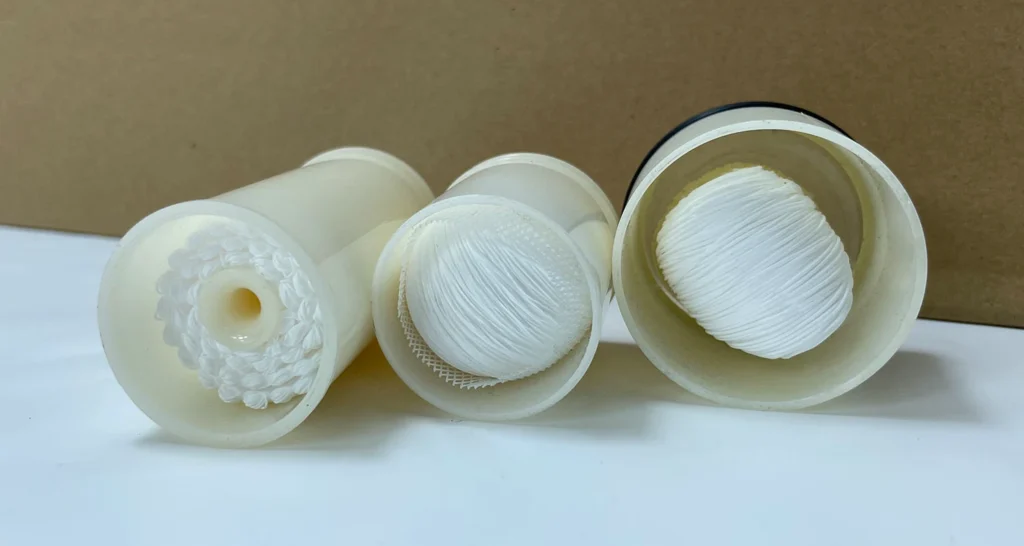
The physical structure itself is quite clever. Most UF membranes feature an asymmetric structure. The top surface layer is incredibly dense to catch the tiny particles, while the bottom layer has a finger-like structure. This smart design ensures that the membrane screens out unwanted elements highly efficiently.
3. Operational Characteristics of UF Systems
Operating a UF system comes with distinct advantages. The entire process runs smoothly at normal room temperatures and under relatively low pressure.
Another huge benefit is that there is absolutely no phase change during filtration. Because it does not require heat or phase shifts, it is the perfect choice for handling heat-sensitive substances. This allows industries to treat delicate liquids without damaging their properties.
4. Separation Mechanism and Crucial Considerations
The primary separation mechanism here is mechanical sieving, which blocks substances based purely on their physical size. However, you still need to be careful during everyday operation.
For starters, substances sticking to the membrane surface can easily mess with your purification results. You also need to keep a close eye on concentration polarization. If concentration polarization builds up too much on the surface, it will definitely take a toll on your overall filtration efficiency.
Optimize Your Filtration Process with Mai Filter
While understanding the UF membrane working principle is crucial, protecting that membrane is what saves your budget.
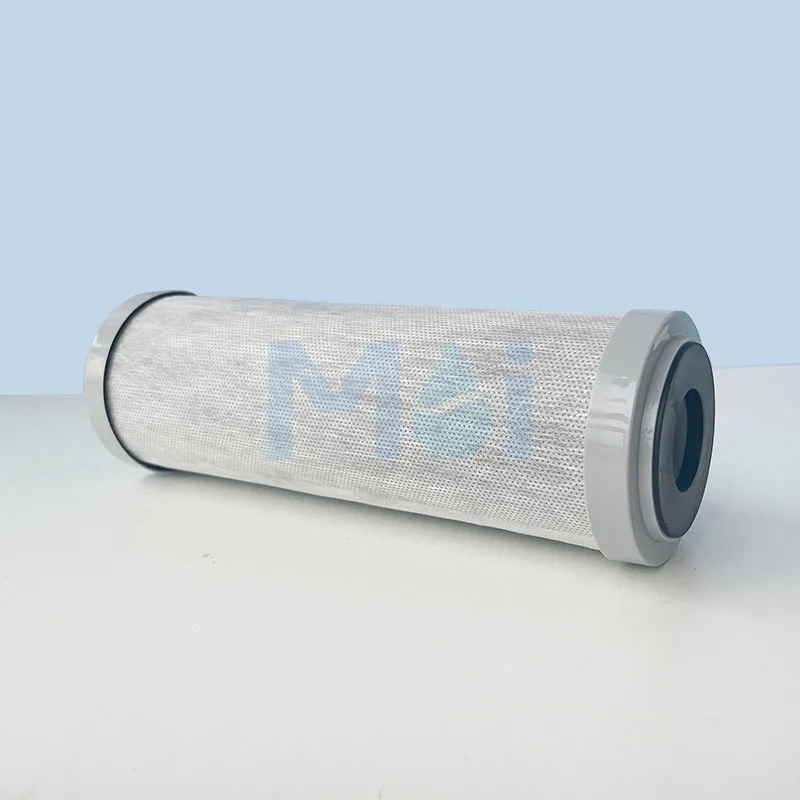
At Damai, we specialize in providing advanced fluid filtration solutions to prevent the exact issues mentioned above—like membrane surface fouling. To keep your UF systems running happily, we manufacture high-performance PP (Polypropylene) filters to trap large particulates and ACF (Activated Carbon Fiber) filters to remove chlorine and organics before they reach your membrane.
Are you looking to build a reliable water treatment system or extend your membrane life? Explore our full range of filtration solutions at www.maifilter.com or contact our expert team today!